Welcome to Nepal - Volunteer in Nepal Guide
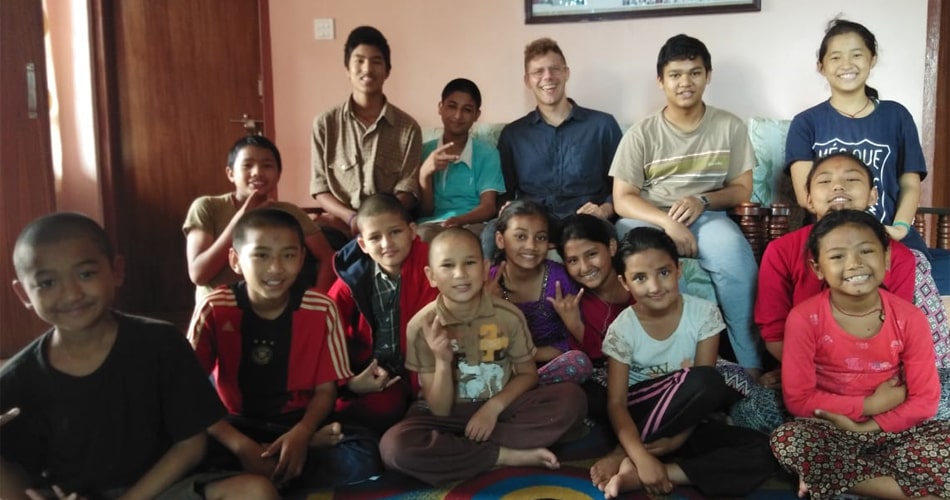
Namaste. You have picked one of the most rewarding places on earth to volunteer. Nepal is a unique nation, with spectacular natural landscapes, welcoming and hospitable people, and many opportunities for you to contribute and make a real difference. We hope this Nepal volunteer guide will provide you with all the essential information needed to prepare for your volunteering mission in Nepal in 2025. It will save you time, money, and some likely awkward moments while volunteering in Nepal.
Quick Facts About Nepal
Geography
Nepal is a small but geographically diverse country, stretching from the hot lowland plains in the south (Terai) to green hills and valleys in the middle and the snow-covered mountains in the north. It is a world on its own. You may experience extensively different landscapes depending on where you volunteer in Nepal.
People and Culture
Nepali people belong to over 125 ethnic groups who live together in harmony. It is home to some of the most unique and interesting cultural practices in the world. As a volunteer in Nepal, you will live and work closely with local families, experiencing daily life and customs firsthand.
Religion
Nepal is a religiously diverse nation. Most of the people follow Hinduism, followed by Buddhism, Islam, Christianity, and other minority and tribal religions. Nepali people value respecting each other's beliefs and living together in peace. Volunteers are expected to be respectful of local beliefs.
Languages
Nepali is the official language of Nepal and is spoken by the majority of the population, but there are 124 languages spoken across the country. English is widely understood in cities, and learning a few basic Nepali words, such as Namaste (hello) and Dhanyabaad (thank you), will help you charm the locals.
Climate
As with all other things, the climate of Nepal varies drastically by region. The southern plains are hot in summer, sometimes exceeding 40 °C, and mild in winter, around 7–23 °C. The hill regions, including Kathmandu, have temperate summers (about 20–26 °C) and cool winters (2–10 °C). In the mountainous areas, it is cold all year-round, and winter temperatures drop below 0 °C. You will have to pack according to the season you will be volunteering in Nepal, and which regions you plan to visit.
Get more info now
Take a minute to complete the form and we will be in touch.
What Makes Volunteering in Nepal Rewarding
There are numerous reasons why you should partake in a volunteering project in Nepal. Between the extraordinarily beautiful landscapes, ancient architecture, spiritual abodes, and the welcoming Nepalese people, there really isn’t any reason why you shouldn’t travel to Nepal. What's most important is that your skills, experience, and devotion are truly needed in Nepal.
Here are a few more reasons to inspire you further:
You Can Make a Real Difference in Underserved Areas
As a volunteer in Nepal, you will contribute to areas where resources and services are very limited. You will assist local communities in improving their daily life through your meaningful contributions. You can be a valuable addition to projects that focus on improving education in schools, providing vital medical care to locals, supporting childcare, or improving local infrastructure. Your contributions will be crucial for local development and community strengthening.
You can Empower Communities Through Shared Learning
As a volunteer in Nepal, you will not just give your time and effort to the local community but also exchange values and customs. By doing so, you will build lasting friendships that cross
language and cultural barriers. Working closely with locals will foster the values of teamwork and mutual respect, and you may discover how much can be achieved by coming together.
You can Experience Authentic Nepali Culture and Cuisine
In your volunteer trip to Nepal, you will be able to be a part of the community life of locals, participating in and observing local traditions and festivals. You will get to enjoy diverse and delightful Nepali cuisine. Each region of Nepal has its own traditional dishes, but they usually include a lot of vegetables and lean meat. Nepal also has a strong tea-drinking culture, and you will be offered a cup more than once throughout a typical day.
You can Explore Nepal’s Natural Beauty
In your volunteering trip to Nepal, you will be surrounded by massive mountains, lush forests, fertile valleys, free-flowing rivers, and beautiful lakes that will leave you in awe. You will have landed yourself in the best place for trekking and hiking trips, meditative retreats, or fun picnics and sightseeing tours. You will be able to make time for numerous calming retreats and adventure trips while volunteering in Nepal.
You can Grow Personally and Professionally
You will achieve both personal and professional growth by volunteering in Nepal. The practical work experience you will gain will be crucial for your career, whereas the cross-cultural understanding and adaptability you learn will help you a great deal in facing the challenges of life. You will surely return more confident, inspired, and content after your volunteering experience in Nepal.
Get more info now
Take a minute to complete the form and we will be in touch.
Types of Volunteering Opportunities in Nepal
There are numerous affordable volunteering projects in Nepal, you can choose from to participate in, which will cost you a very minimal fee. You can choose which project best aligns with your personal interests, values, and area of work or study.
Volunteer in an Orphanage in Nepal
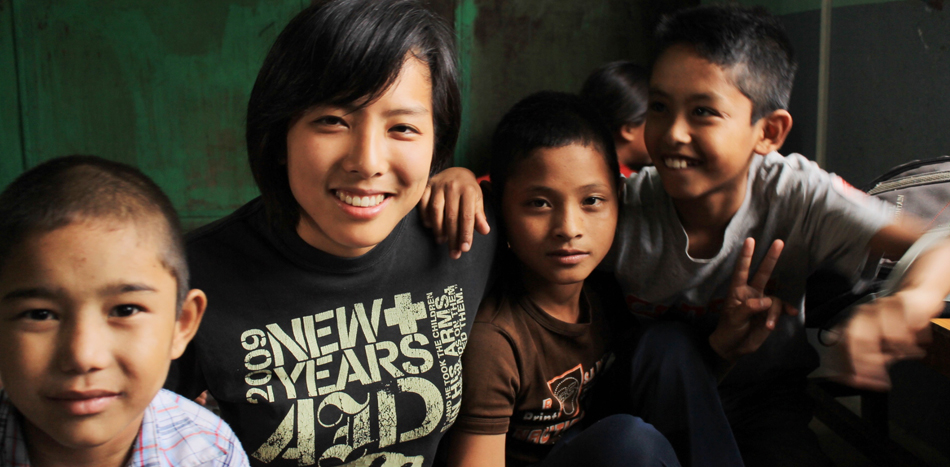
Thousands of children in Nepal are left to fend for themselves due to the harsh realities of poverty and Nepal’s turmoiled past. Without a family or a guardian, many children wind up living on the streets or are exploited for labor. When you decide to volunteer in an orphanage in Nepal, you will make a huge difference in these deserving children’s lives. Your commitment to these orphanages and to the children who call them home will give them hope for a brighter future despite their harsh circumstances.
Do you want to make a difference in the lives of orphans? Go to the project page to find complete information.
Volunteer as an English Teacher in Nepal
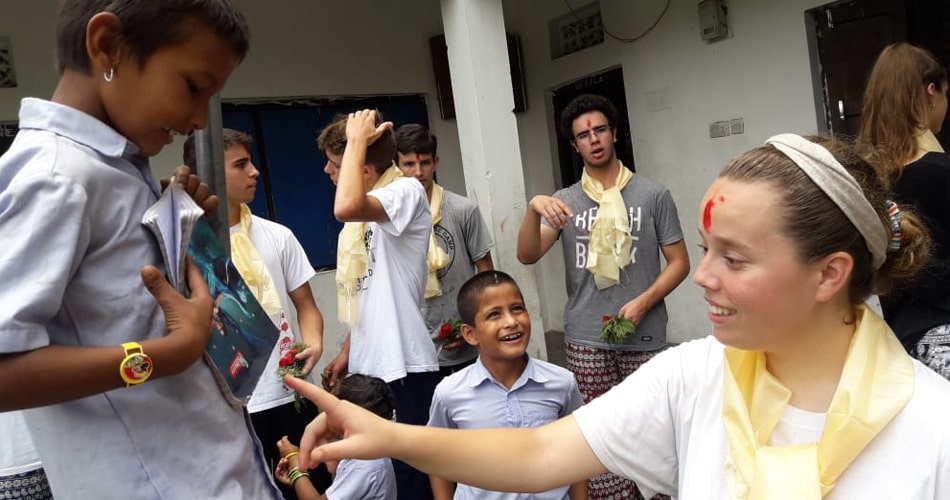
English is the second most used professional language in Nepal, and the ability to communicate proficiently in English is critical if one is to find a decent-paying job. Many students from low-income families will not have the opportunity to learn English, and therefore, are obliged to pursue lower-income careers. By volunteering to teach English to Nepalese children, you will empower them to pursue a more promising future and open a gateway of international opportunities for them.
Do you want to help disadvantaged children reach their potential? See the project page to find complete information.
Volunteer in Buddhist Monasteries in Nepal
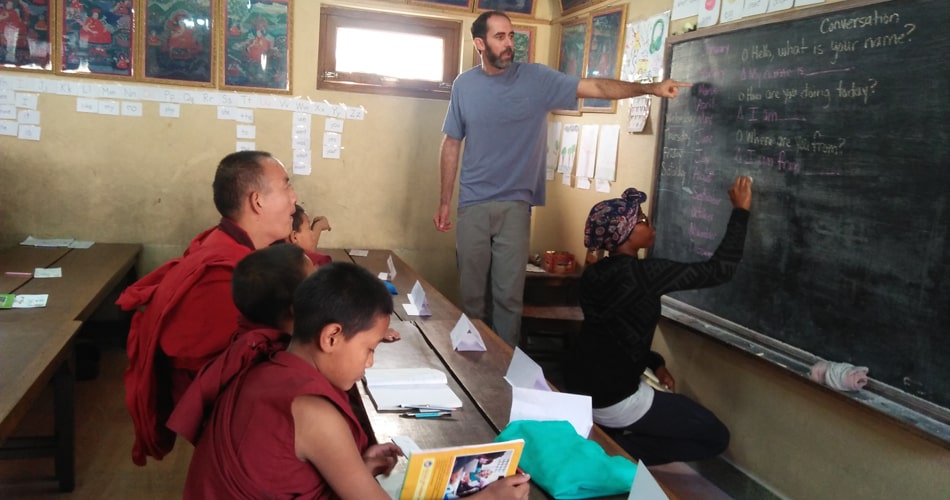
This rare experience is an incredible opportunity to learn and experience the Buddhist way of life while teaching English communication skills to young monks. The ability to communicate in English is becoming increasingly valuable by the day in Nepal. If the monks are able to speak in English, they can effectively share their culture, history, and religion with the wider world.
Do you want to learn about Buddhism and make a difference in teaching? Visit the program page for more details.
Volunteer With a Medical Project in Nepal
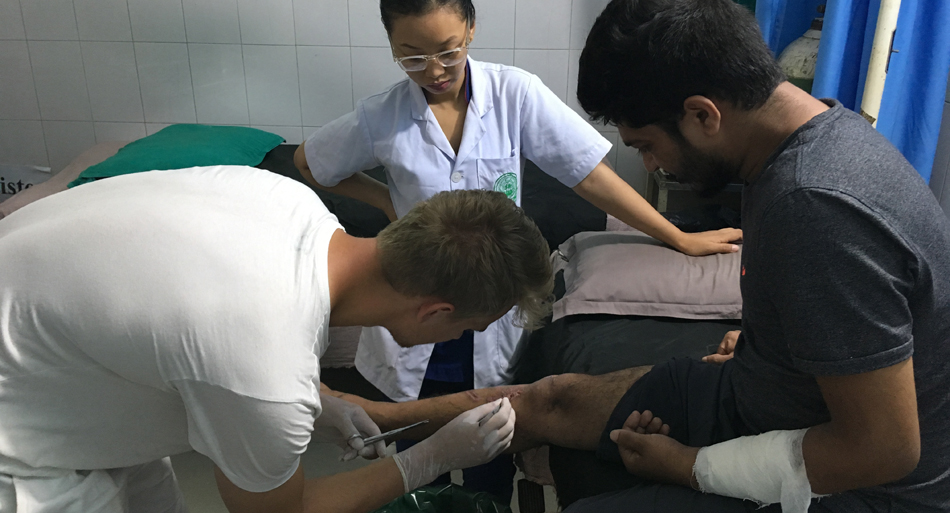
If you are a medical professional or interested in the field of healthcare, volunteering with a medical project in Nepal is an amazing opportunity to not only help people in need but also to gain valuable hands-on experience. Medical volunteers will work either in a hospital or local health clinics. You will need to provide proof of experience in a medical field, or you should be a medical student, in order to join these programs.
Do you want to gain valuable medical experience? Visit the project page for complete information.
Volunteer with a Photojournalism Program in Nepal
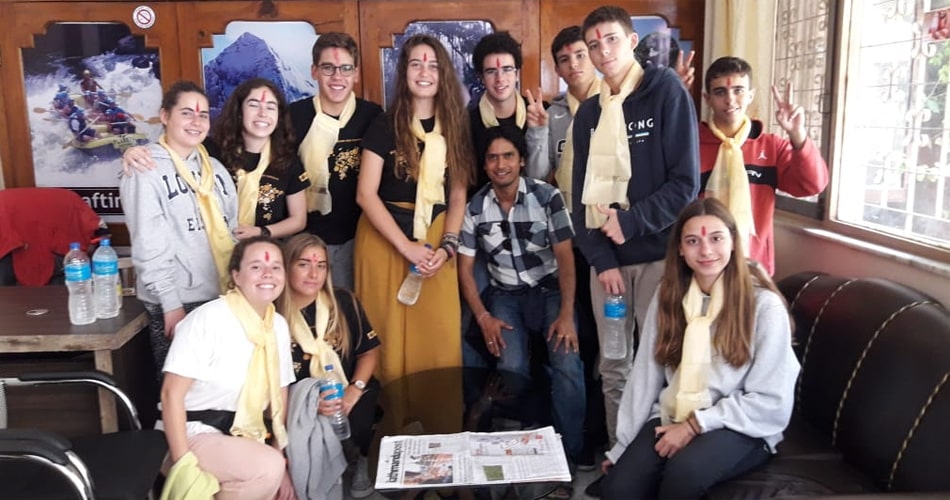
If you are interested in photography and want to improve your skills in it, this unique opportunity is calling your name. Nepal couldn’t be any more picture-worthy between the impressively tall and extensive mountain ranges, ornate temples and stupas, ancient statues, lively towns, and local celebrations. During your photojournalism volunteer program in Nepal, you will work closely with a professional photographer who will mentor and assist you throughout the program.
Want to see amazing places and improve your photography? Visit the detailed program page for full information.
Get more info now
Take a minute to complete the form and we will be in touch.
When and Where to Volunteer in Nepal
Ideal season for volunteers
The optimal time to join a Nepal volunteer program is what best suits your schedule and plans. Volunteers are needed all year round in Nepal. However, like any other place, there are certain times of the year that are better for various reasons in Nepal.
December and January
These are the true winter months in Nepal. While it doesn’t snow in Kathmandu, the temperatures can get quite chilly. For such a small country, Nepal’s landscape changes drastically in elevation, ranging from 60 meters to upwards of 8848 meters. So, you can expect extreme climates in the highlands. If the cold isn’t a factor for you, you can choose to volunteer during these months in Nepal. The weather is typically consistent, and the skies are clear, which offers beautiful views of the mountains.
February through mid-April
During these spring months, temperatures are warmer, and the days are longer. Nepal’s national flower, the rhododendron, is in bloom, and it truly transforms parts of the landscape. These months are also the best times to see wildlife in Nepal. On the downside, though, the skies are often hazy, which can disturb mountain views.
End of April through June
These months are considered the pre-monsoon season in Nepal. If you have the freedom to pick any time to volunteer in Nepal, it is recommended that you pick any other season. These months are extremely hot, humid, and buggy. It is also more common to have stomach issues during these months due to the change in season.
Middle of June through the end of September
Contrary to popular assumptions, the monsoon season is actually one of the most beautiful times to volunteer in Nepal. The Nepalese welcome this season, as it brings an abundance of fresh fruits and vegetables and life into the valleys, forests, and mountains.
Everything turns green, many flowers are in bloom, and butterflies fill the air. During the monsoon season, it doesn’t rain all day, but rather big storms come at night. If you want to experience the picturesque and vibrant Nepal as you probably are imagining it, join a volunteer program in Nepal during the monsoon season.
October and November
The weather is generally clear, dry, and pleasant across the country during these months. Some of the most widely celebrated festivals in Nepal (Dashain and Tihar) fall under these months. Visiting Nepal during this festive season is incredibly special and will be a memorable, cultural experience for you. However, make sure you plan far in advance if you are planning to come during this season, as it is a very busy time of the year.
Other articles on Best Time to Volunteer in Nepal
Get more info now
Take a minute to complete the form and we will be in touch.
Best Places for Volunteer Work in Nepal
Volunteer programs in Nepal operate in and around places like Kathmandu and Chitwan. Both areas have unique needs and things to offer.
Kathmandu
Kathmandu is the capital city of Nepal. It is also the largest city in Nepal. It is 1,400 meters above sea level and falls into the warm temperate climate zone in Nepal. Kathmandu will be a fascinating and stimulating destination to spend time in while you are volunteering in Nepal. There are tons of fabulous restaurants where you can enjoy authentic Nepalese cuisine, teahouses, local bazaars, workshops, and aesthetic souvenir stores, museums, and cultural centers to explore. There are also temples, stupas, statues, and monasteries throughout the city. Kathmandu is an open museum to visitors and explorers.
You can visit the Durbar Squares or spend time at the Kopan Monastery, among countless other culturally captivating experiences and activities in Kathmandu. On a clear day, you can even see the Langtang Himalayan mountain range from the city.
Chitwan
Chitwan is located in the southern part of Nepal, about a four- or five-hour drive from Kathmandu. The landscape here is very different from how you are probably imagining Nepal. Chitwan is made up of vast grasslands and sits at a much lower elevation. Rice, mustard, maize, sesame, buckwheat, and wheat are all grown in this region of Nepal.
Animal husbandry and beekeeping have also flourished in Chitwan. Joining a volunteer program in Chitwan means you will have exciting opportunities to experience the nature of this area. The most famous point of interest in Chitwan is the Chitwan National Park. It is here that you might get lucky and see a Bengal tiger! The park is also home to elephants, rhinos, wild boar, deer, and a great variety of birds. You can take a jeep safari through the park with a professional wildlife guide. There are also waterfall hikes, tours of the local villages, and a chance to visit an elephant-breeding center when in Chitwan.
Get more info now
Take a minute to complete the form and we will be in touch.
Short-Term vs. Long-Term Volunteering in Nepal
Volunteering opportunities in Nepal range from short stays (1-2 weeks) to extended placements (over 12 weeks). Your dedicated time will be beneficial for you and the community you will serve, whether it is for a short or a longer period of time. Short-term volunteering suits participants with limited time but an interest in contributing to Nepal and experiencing Nepali culture firsthand. You will quickly get involved in ongoing projects and contribute your skills to them. On the other hand, long-term volunteering in Nepal will allow you to develop a deeper understanding of the project you are working on and create a more lasting impact, and strengthen community relationships. Long-term volunteering will result in more experiential learning, although both types of volunteering will be a rewarding experience for you.
Considering your Budget
Volunteering in Nepal will not be entirely free for you. Most volunteer organizations in Nepal charge a fee from volunteers to cover the living expenses of the volunteers and program costs. Fees often cover accommodation, meals, and support from local staff. Your fee is divided among these categories according to the organization’s policies. You should plan your personal budget according to what will be provided for you by the volunteer organization you choose. Setting some extra funds aside will be helpful while traveling, as personal needs and emergencies may arise at any time.
At RCDP, we charge you the most affordable volunteer program fee in Nepal, and it is allocated directly to projects and communities, with a fully transparent breakdown: 50% for accommodation and meals, and 50% for project support. There are no hidden costs, and any leftover funds help local projects. We do not offer scholarships, as our fees are already as low as possible to cover accommodation, meals, and project support. However, we help volunteers manage funding by providing fundraising ideas and supportive documents.
Get more info now
Take a minute to complete the form and we will be in touch.
Finding the Best Volunteer Organization in Nepal for You
Multiple organizations offer volunteering opportunities in Nepal. When you search for volunteer programs in Nepal, quite a selection will appear. It is necessary to weed out the organizations that are not reputable, professional, and ethically responsible, but this might seem like an overwhelming task for you. Here are some important factors to consider when choosing an organization to volunteer with in Nepal:
Read Reviews and talk to Past Volunteers
Reading reviews from past volunteers is an excellent way to gain some insight into the volunteer organization and its programs. Past volunteers, whether they had a really good experience or a really bad experience, will typically share their feelings about the program that they joined. See what others are saying about the organization you are interested in volunteering with and take note of how those reviews make you feel.
Investigate the Organization’s Numbers
How long has the organization been operating? How many volunteers have volunteered with the organization in their history? You want to choose a volunteer organization that has been operating long enough to be an expert. Such organizations will be well-organized and run smoothly because they have had time to sort out all of the problems.
Take Notice of their Online Presence
A professional volunteer organization will have a great online presence that includes a well-put-together and easy-to-navigate website and relevant social media outlets like Instagram, Facebook, and Twitter. You can tell a lot about a company or organization through its online presence and how quickly it responds to interested volunteers. Be wary if the website is not well designed and doesn’t provide you with all the important initial information that you are seeking, and if their social media pages are not active and up to date.
Check for Transparency Regarding Your Fees
All volunteer organizations charge some sort of application fee and program fee. When picking a trustworthy volunteer organization in Nepal, the allocation of your fees should be made very clear. There shouldn’t be any hidden costs or obscure information. Most of the time, application fees go toward the basic costs of running a business, and the program fees go directly to your chosen volunteer project in Nepal and host family.
Communication is Key
It is wise to choose a volunteer organization that responds to your e-mails or phone calls in a timely and professional manner. Communicating with them should be easy and should provide you with the answers to all of your questions and concerns. If communication is faulty from the beginning, imagine what it will be like when you are on site in Nepal.
Filling out the Application
Once you have selected which of the volunteer organizations in Nepal is right for you, you should proceed to apply for the volunteer program. Booking your spot is usually self-explanatory and is done by filling out an online application and paying a certain amount as a deposit. It is advisable to apply in advance by about 3 months so that you can have ample time for making travel plans and preparing for your trip.
Get more info now
Take a minute to complete the form and we will be in touch.
Preparing for your Volunteering Trip to Nepal
Once you have applied for a volunteer project in Nepal, it is time to start preparing for your journey. Use this handy checklist we prepared for you below to make sure you cover everything in time for your departure:
Passport - Anytime that you are traveling outside of your home country, you must have a passport. Your passport must be valid for at least six months from the date of your departure to Nepal.
Visas - A visa will be required to enter Nepal. However, a visa can be obtained upon arrival at the airport if you are a U.S, Canadian, British, Australian, or citizen of an EU nation. Other nationalities must obtain a visa before arrival and should check with the embassy for requirements and fees. Just make sure you have a valid visa to volunteer in Nepal before you leave, or can obtain one at the airport. A 15-day visa costs $25USD, a 30-day visa costs $40USD, and a 90-day visa costs $100USD.
Vaccinations - Before traveling to Nepal, you should make sure that you are vaccinated for measles-mumps-rubella, diphtheria-tetanus-pertussis, varicella (chickenpox), polio, and your yearly flu shot. While these aren’t required to enter Nepal, it is better to be safe. It is highly recommended that you also get a Hepatitis A and Typhoid vaccination. You can get hepatitis A and typhoid through contaminated food and water in Nepal. Aside from that, you should ask your general physician what other vaccines you should have. For more information about vaccinations and health concerns in Nepal, consult the Center for Disease Control and Prevention website.
Flights – Airfare is going to be your major expense. Most volunteers do not live particularly close to Nepal. For this reason, airfare can be pricy. However, with proper planning and searching, it is still possible to find a reasonably priced airline ticket(s). Here are some tips:
- Check a few different airlines before deciding.
- Look up which airports in Nepal your program uses and plan your flight accordingly.
- Use flight comparison sites like Kayak or Skyscanner to find the best deals.
- Try different routes or dates; sometimes a small change can save a lot.
- Avoid peak travel months if you can; tickets are usually cheaper then.
- Use any airline miles or points you already have.
- Book your flight early to get the lowest prices.
Funds: You’ll need to ensure that you have sufficient funds to support your volunteering opportunity in Nepal. If you need financial assistance for your volunteer program, there are lots of resources to draw on. You can use online funding sites such as GoFundMe, or GiveForward, as well as others, for students and large groups. You can also look to local churches, businesses, or volunteer groups for help funding your trip. They may just be waiting to help someone like you be of service in another part of the world.
Suggested Reading : It is a wonderful idea to read about Nepal before you embark on your volunteer trip. Through travel books about Nepal, you can learn a lot about the culture, traditions, religions, customs, history, geography, sights to see, activities to do, and food to try. Sometimes it is also nice to read some non-travel guidebooks about Nepal to get you even more excited and inspired for your volunteer trip to Nepal. Here is a list of suggested reading for your volunteering trip to Nepal:
- The Rough Guide to Nepal
- Little Princes: One Man’s Promise to Bring Home the Lost Children of Nepal by ConorGrenna
- Nepal-Culture Smart: The Essential Guide to Customs & Culture
- While the Gods Were Sleeping: A Journey Through Love and Rebellion in Nepal by Elizabeth Enslin
- Nepal (Culture Shock! A Survival Guide to Customs & Etiquette) by Jon Burbank
- House of Snow: An Anthology of The Greatest Writing about Nepal by Ed Douglas and Ranulph Fiennes
- What To Bring On Your Trip?
Get more info now
Take a minute to complete the form and we will be in touch.
Packing for your Volunteering Trip To Nepal
To avoid getting overwhelmed and forgetting something important for your volunteer trip in Nepal, it is a good idea to make a list of your must-bring items. You should also research the specific area(s) in which you will be volunteering and traveling to get an idea of what the typical weather conditions and temperatures are like, so you know what type of clothing to bring.
Here is a basic list to get you started:
- Original and copies of travel documents (visa, passport, travel confirmation, travel insurance)
- Credit/debit card and some cash in USD or local currency
- Nepal guidebook(s) or offline maps
- Leisure reading book(s)
- Headlamp or flashlight with spare batteries
- Comfortable walking shoes or sandals
- Light overnight or day bag for short trips
- Sarong, cotton wrap, or shawl
- Travel towel
- Wet wipes and antibacterial gel
- Camera (with memory card and charger)
- Notebook or journal
- Cables and chargers for all devices
- Universal travel adapter
- Toiletries (toothbrush, toothpaste, soap, shampoo, etc.)
- Medications and a small first aid kit (band-aids, painkillers, etc.)
- Rain jacket or poncho
- Bathing suit
- Lightweight, mix-and-match clothing for warm months
- Warm jacket, scarf, gloves, and layers for winter
- Hat and sunglasses
- Sunscreen and lip balm with SPF
- Insect repellent
- Feminine hygiene products (pads, tampons, menstrual cup, etc.)
- Reusable water bottle
- Small locks for bags
- Reusable shopping bag or tote
- Travel pillow or neck pillow (for bus rides or flights)
- Earplugs and an eye mask
- Snacks or energy bars (especially for travel days)
- Copy of emergency contacts and program address
It is also a nice idea to bring some small gifts from your home country to share with your host family and chosen project. Projects that involve childcare and education, in particular, can always use educational resources, books, coloring books, art supplies, games, toys, and first-aid supplies. A lot of volunteer programs in Nepal are extremely underfunded and under-resourced, so any donations are greatly appreciated. If you are not sure what to bring or what is needed, just ask your volunteer organization.
Get more info now
Take a minute to complete the form and we will be in touch.
Crucial Information to be Aware of Before Leaving for Nepal
You will probably experience all sorts of emotions about your volunteering trip to Nepal. This is totally normal. To help ease these feelings, there are some things that you can inquire about that will only help to further prepare you to volunteer in Nepal.
Ask about specific details about your volunteer project’s setting. If you ask detailed questions about what to expect upon arrival, you will start your Nepal volunteer program feeling confident and secure. Here are a few suggestions to make sure you know before departing:
- Name, address, and contact information about your volunteer placement
- Expectations, rules, and guidelines of the project and organization in which you are volunteering
- General responsibilities
- Volunteer work schedule (days/hours and break time/time off)
- Transportation to and from your project location (is this something that is arranged by the organization or that you are responsible for arranging for yourself?)
- Who is your supervisor?
- Who will you be working alongside? (Other volunteers, a mentor, project staff, etc.)
- Is there any pressing information you should know before leaving for Nepal?
- Gather information about your living situation
If you have decided to stay with a host family while volunteering in Nepal, you may feel more comfortable if you learn about them before you walk into their home. Living with a host family is an experience like no other. You may feel nervous, but don’t worry, your host family has been carefully chosen and will quickly become like your second family. You can ask your volunteer organization for information about your host family, like:
- Where will I be living, and how far is it from my project location?
- How many members of the family are there?
- What are the names, ages, and genders of the family members with whom you will be residing?
- Do they have any pets?
- What is your host family’s main occupation?
- What are some of their personal interests or hobbies?
- Will you be sharing a room, or will you have your own private room?
- What areas of the house do you have access to? (The living room, kitchen, laundry room, etc.?)
- Are you permitted to have friends visit you at the house?
- What amenities are available within a close range of their house? Internet cafe, post office, pharmacy, food store, etc.
- Has your family hosted international travelers and or volunteers in the past?
- Are there any specific rules of the house that you need to be aware of so that you may follow them accordingly?
Get more info now
Take a minute to complete the form and we will be in touch.
Final Checks Before You Take Off
Before you take off for your amazing volunteer trip to Nepal, it is wise to double-check all the information regarding your trip. It is also a good time to ask any final pressing questions to your volunteer organization that might be lingering on your mind. Make sure that you:
- Check your flight information and make sure that all of the details that you have received are correct. This includes airline(s), flight number(s), date, and boarding time.
- Ensure that you have sent your flight information to your volunteer organization and confirmed that arrangements have been made for your pick-up at the airport, including knowing how you will identify the person picking you up.
- Make a copy of your passport and have all your important documents with you.
- Make sure that you have the correct emergency contact information and the contact information of your volunteer organization and country coordinator.
- Make sure that the emergency contact information you gave to your volunteer organization in Nepal is correct.
- Check that there have been no changes with your project or accommodation, and ask any other lingering questions.
- Have realistic expectations (remember that you are traveling to an underdeveloped nation; you will see poor living conditions, public health problems, lack of education, and underdeveloped communities).
- Pack a carry-on bag with ample comfortable clothes. It will be useful if your luggage is lost or delayed. With numerous connecting flights, there is always a chance that your luggage may be mishandled or misplaced.
Get more info now
Take a minute to complete the form and we will be in touch.
Living in Nepal as a Volunteer
While volunteering in Nepal, daily life may feel completely different from what you’re used to. Being prepared to adapt to a new lifestyle and living environment will help you settle faster and enjoy your experience in Nepal to the fullest extent. We have prepared some practical tips that cover the most important aspects of your life as a volunteer in Nepal. Our goal is to make sure you live comfortably and perform confidently during your stay in Nepal.
Staying Safe and Secure While Volunteering in Nepal
- Always carry around a copy of your passport. You should never have your original document on your body unless specifically required for a reason at some point.
- Make sure that you have your health insurance information in an easily accessible place. You can make a copy of this and keep it with you, as well. Your travel insurance should have a 24-hour support number. Make sure that you have this number.
- Keep up to date on any safety or travel warning advisories for Nepal.
- Ensure that all of your vaccinations are up to date and you are traveling with any necessary medications.
- Send a copy of all of your important documents (passport, credit/debit card, travel insurance) and travel itinerary details to a family member or close friend.
- Let your bank know about your travel and volunteer plans in Nepal. Also, write down or place in your device your bank’s fraud or stolen card department number, just in case.
- Register your Nepal travel details with your home country’s embassy.
- Keep all of the contact information for your volunteer organization, Nepal volunteer project, local support, host family, embassy, and emergency services in Nepal with you at all times.
- Pick-pocketing and petty theft are concerns in Nepal. Always be aware of your possessions and who is around you.
- If you are going to take a taxi, make sure that it is a registered taxi. Ask your local coordinator for recommendations for taxis, private shuttles, or any other type of personal transportation to ensure that you are traveling with a reputable and safe driver.
- Always travel around with at least one other person, especially at night. It is never a good idea to walk around alone at night.
- Always be aware of your surroundings and pay close attention to landmarks or street names, especially until you have a comfortable understanding of where you are and how to get around.
- Keep the address and directions to your accommodations with you.
- Listen and trust your instincts. If something doesn’t feel right or a person doesn’t seem trustworthy, remove yourself from that situation.
Get more info now
Take a minute to complete the form and we will be in touch.
Health and Hygiene Essentials While Volunteering in Nepal
- Visit your local clinic before departure for recommended vaccines like typhoid, hepatitis A and B, tetanus, and rabies.
- Bring enough personal medications with you, and bring a copy of your prescriptions with you.
- Drink only bottled, boiled, or filtered water; tap water is not safe to drink in Nepal.
- Eat freshly cooked food (usually provided by your volunteer organization) and avoid raw or street food.
- Wash your hands often and always carry a sanitizer and wet wipes with you.
- Ensure that your room and personal belongings are clean to prevent bugs and infections.
- Use mosquito repellent creams and wear long sleeves, and sleep under a mosquito net, if you are volunteering in Nepal during the summer and monsoon months.
- Avoid touching or feeding stray dogs, monkeys, or other animals.
- Use sunscreen, sunglasses, and a hat or scarf to protect against strong sun exposure.
- Always stay hydrated and make sure you are not exhausted, especially at higher altitudes.
- Learn where the nearest health clinic or hospitals are once you arrive in Nepal.
- Get travel insurance that covers illnesses and medical treatment.
- Listen to your body and be cautious of any food allergies you might have while trying new food items in Nepal. Asking about the ingredients used will help you decide if you should try or avoid the particular food.
Understanding Local Etiquette: Major Do’s and Don’ts while Volunteering in Nepal
Dos
- Use both your hands when receiving something, even if it’s just money. This is a sign of gratitude and respect.
- Remove your shoes before entering a temple, monastery, or home.
- Walk around stupas clockwise so that it is always on your right side. The same goes if you encounter a stone wall covered with Tibetan scripture.
- Get a receipt of authenticity and proof of purchase if you purchase any type of antique relic; otherwise, you will not be able to take it out of the country.
- Carry a flashlight or headlamp with you, since power outages sometimes occur.
- Make sure you exchange all of your Nepalese currency before leaving the country. It is illegal to leave Nepal with Nepali currency. Keep all of your receipts from any previously exchanged money during your trip, as you might need these later to exchange your money back.
- Eat everything on your plate. If you are served too much food, ask for some of the food to be taken away prior to eating. It is disrespectful not to finish the food you have been served.
- Ask before taking photographs of a religious ceremony, place, or person.
- Always be friendly and respectful.
- Enjoy every single moment of your volunteering experience in Nepal.
Don’ts
- Don’t touch women if you are a man. When greeting or meeting a Nepalese woman, you don’t shake their hand or hug them. Instead, you press your palms together in a prayer-like fashion called Namaste. This is the preferred method of greeting and meeting.
- Don’t engage in public displays of affection. Men and women do not affectionately engage in public. It is best not to act out of the public norm.
- Don’t wear any skimpy clothing. Nepal is conservative. Be respectful and wear clothes that cover your shoulders, chest, and mid-section. Don’t show too much skin.
- Don’t eat with your left hand.
- Don’t eat beef in front of Hindus. Cows are considered sacred by many Hindus.
- Don’t raise your voice or get into a loud verbal confrontation; this is viewed as bad manners in Nepal.
- Don’t do drugs. Drugs in Nepal are illegal, and it is a serious offense if you get caught.
Get more info now
Take a minute to complete the form and we will be in touch.
Dealing With Culture Shock While Volunteering in Nepal
It will be normal for you to experience culture shock while you are volunteering in Nepal, since everything from your daily meals to social norms will change drastically. However, this is part of the experience of volunteering in Nepal, and you will start adjusting in time. Building some cultural intelligence about the Nepali way of life will help you immensely in the adjustment process. Here are a few steps we recommend that you take:
Learn about Nepal before you go : You can read about Nepali customs and living conditions before you land in Nepal.
Partake in Nepali culture yourself : While you are in Nepal, you can participate in local festivals, visit local landmarks, try Nepalese food, and learn a few local phrases.
Communicate your Concerns: Share your experiences with locals, staff members of your volunteer organization, and fellow volunteers. You can ask about things that may bother you or that you do not understand.
Be patient with Yourself: Everyone has a different pace of adjusting to a new lifestyle and environment, which is why you need to give yourself some time and take each day as it comes.
Be Mission Driven: Always remember your goal of making a positive impact in Nepal and gaining valuable work experience from your volunteering experience in Nepal. Little adjustment issues you may face will not seem like a bigger deal this way.
Getting Around Nepal (Buses, Domestic Flights, Local Travel)
Long-distance travel between cities like Kathmandu and Chitwan is best done by a tourist bus, which is more comfortable and reliable than local buses. Although local buses are cheaper, they can get crowded, and may include unexpected fellow passengers like chickens or an occasional goat. While domestic flights are the quickest way to reach cities such as Pokhara, Bharatpur, or Lukla, weather delays are very common in Nepal.
In cities, taxis, buses, and other vehicles operate as public transport. Ride apps such as Pathao, InDriver, and Yango are easy to use and reliable as well. You should agree on the taxi fare beforehand in Nepal and also ensure the meter is being used. In rural areas, roads can often be bumpy, and shared jeeps or minibuses are common travel options.
Travel times can often get unpredictable in Nepal due to heavy traffic, weather conditions, or road blockages, so it's good to allow some extra time for travelling. You should always carry small change for fares and always keep all your belongings with you while using public transportation in Nepal. Another precautionary measure we recommend is avoiding traveling late at night outside major cities for safety reasons.
Your volunteer organization or local project coordinator will guide you on the best and safest travel options for your placement area while you are volunteering in Nepal.
Eating Out
Dining out will not be a problem in Nepal, since Nepal offers everything when it comes to food, from local eateries (bhattis) to international restaurants serving all kinds of cuisines you prefer. You can try traditional Nepali dishes like dal bhat, momo, and thukpa. Street food can also be delicious, but be cautious of choosing stalls that look clean and busy with locals. Keep in mind that eating with your right hand is customary in local settings in Nepal. We recommend you be open to local flavors and spices, but also carry basic medicine for an upset stomach with you.
Staying Connected: Internet and SIM Cards in Nepal
SIM cards from Ncell and Nepal Telecom (NTC) are widely available and affordable in Nepal. Please bring your passport and a passport-size photo with you to purchase a SIM card. Recharge cards are also widely available at most small shops and kiosks in Nepal. Although data coverage is good in cities, it may be limited in rural or mountainous regions. Wi-Fi is also very common in hotels, cafés, and volunteer accommodations in Nepal, though speeds may vary. Your local coordinator will help you get a new SIM card and make sure you have internet access in Nepal.
Money Matters: Banking and Currency Exchange Tips for Nepal
The local currency used in Nepal is the Nepalese Rupee (NPR), and cash is widely used, especially outside major cities. You can exchange major foreign currencies (USD, EUR, GBP, AUD, etc.) at banks, licensed money exchange counters, and authorized forex booths in Kathmandu, Pokhara, and other major cities in Nepal. The exchange counters at the Tribhuvan International Airport are also convenient but may offer slightly lower rates. It is important to keep your exchange receipt, as you will need it if you want to reconvert NPR before departure.
ATMs are easy to find in urban areas, but they may charge small fees per withdrawal. It is best to carry cash for taxis, local buses, markets, and other daily use since credit cards are accepted mainly in big hotels, malls, and restaurants. Please do not forget to inform your bank before you travel to Nepal to avoid the issue of blocked cards. Your volunteer organization in Nepal will advise you further on financial matters.
Shopping and Bargaining in Nepal
Shopping can be an exciting experience in Nepal, especially for shopaholics. Local markets have numerous shops that are great for buying souvenirs, clothes, organic products, and handmade crafts. Bargaining is expected when buying from local shops in Nepal, except for shopping centers that sell items at fixed prices. You can start by offering about 60–70% of the asking price and negotiate from there.
Be sure to check the product quality and any damage before buying, and carry a reusable plastic bag to avoid unnecessary waste production. Learning a few Nepali phrases can help you with bargaining, and we encourage you to buy local snacks and other daily items in Nepal to support businesses here.
You will find all your basic needs in department stores or markets in cities, and small local shops in villages. Your local coordinator will also point you to the best and most affordable places to shop in Nepal.
Get more info now
Take a minute to complete the form and we will be in touch.
Communication and Language Basics
Effective communication will help you achieve a successful volunteering experience in Nepal. While no prior knowledge of Nepali is required to join volunteering projects in Nepal, and you can easily communicate with local coordinators and project staff in simple English, learning a few local phrases and communication etiquette will make your interactions smoother and help you charm the locals. Here’s what we recommend volunteers learn:
Basic Nepali Phrases for Volunteers in Nepal
Namaste – Hello / Respectful greeting (Nah-mah-stay)
(Bring palms together at chest level, bow slightly, and say “Namaste.”)
Dhanyabad – Thank you (Dhuhn-yah-baad)
Kripaya – Please (Kri-pah-yah)
Sanchai hunuhuncha? – How are you? (San-chai hoo-noo-hun-chah?)
Ma sanchai chu – I am fine (Mah san-chai choo)
Maaf garnuhos – Sorry / Excuse me (Maaf gar-noo-hos)
Ho – Yes (Ho)
Hoina – No (Hoi-nah)
Tapaai ko naam ke ho? – What is your name? (Tah-pie ko naam kay ho?)
Mero naam ___ ho – My name is ___ (May-ro naam ___ ho)
Sahayog garna saknu hunchha? – Can you help me? (Sa-ha-yog gar-na sak-noo hun-chha?)
Maile bujhena – I didn’t understand (Mai-le boo-jhay-na)
Feri bhetaula – See you tomorrow (Fe-ri bhe-ta-oo-la)
Ramro cha – It’s good / Nice (Ram-ro cha)
Mitho cha – It’s delicious (Mi-tho cha)
Pani – Water (Pah-nee)
Khana – Food (Kha-na)
Ma thake – I am tired (Mah tha-kay)
Non-Verbal Communication Guide for Volunteers in Nepal
Eye Contact: Use gentle and respectful eye contact. Avoid staring or prolonged direct eye contact, especially with elders or authority figures.
Facial Expressions: Smiling is welcomed in Nepal, and it signals friendliness. Avoid showing anger or impatience.
Gestures: Avoid pointing directly with your index finger; use the whole hand or nod in the direction. A slight nod often indicates agreement or understanding.
Personal Space: Observe local cues and adjust accordingly; avoid physical contact, especially with the opposite gender, unless welcomed.
Touch & Physical Contact: Handshakes are acceptable mostly in urban settings or with peers. You should avoid hugging, patting, or touching the opposite gender unless explicitly invited. Casual touch is more common with children and same-gender peers.
Subtle Signals : Head tilts may indicate agreement or acknowledgment. Silence or minimal gestures can be a sign of respect rather than disinterest in Nepal.
Get more info now
Take a minute to complete the form and we will be in touch.
Wrapping Up Your Volunteer Journey in Nepal
Giving Feedback to Your Volunteer Organization and Local Hosts
It is a wonderful idea to give constructive feedback to your volunteer organization and the local host family you stayed with after having reached the end of your volunteering journey in Nepal. Volunteer organizations in Nepal have different feedback mechanisms in place, like online feedback forms, email communication with your program coordinators, questionnaires distributed and the end of your program, or even informal discussion sessions with your local coordinator and host family.
You can highlight what aspects of the program you found helpful or enjoyable, and also suggest what could have been better. We also recommend you provide feedback on logistics, accommodations, and meals provided to you during your volunteering journey in Nepal. Your honest feedback will help improve future volunteering experiences and make volunteering programs in Nepal more impactful.
Reflecting on Your Volunteering Journey in Nepal
Reflecting on your time in Nepal as a volunteer is an excellent idea to keep track of what new things you learned during your volunteering trip. You can journal experiences or note memorable moments and interactions for future reference. You can also think about the challenges you faced while you were in Nepal and the lessons you learned from them. Reflecting will help you assess the personal and professional growth you achieved after volunteering in Nepal.
How to Stay Connected and Continue Supporting Nepal
We recommend you maintain communication with your volunteer organization, local friends you made, and fellow volunteers you interacted with to stay connected with your fruitful time in Nepal. You can continue to support local projects, NGOs, or initiatives you engaged with during your stay through donations, advocacy efforts, or other ways you can. You can also explore and plan for future volunteer programs or short-term visits to Nepal. It will be helpful if you stay updated through newsletters, social media pages, or alumni networks of your volunteer organization.
Sharing Your Volunteering Experience in Nepal
You can share your volunteering experience through interactive social media posts, blogs, websites, or personal networks to inspire others to do the same. You may highlight interesting cultural experiences, project achievements, and lessons you learned in the stories that you share. Photos, videos, and personal anecdotes will make your story more engaging and memorable.
Get more info now
Take a minute to complete the form and we will be in touch.
Useful Resources for Volunteers in Nepal
(I) Important Contact List
- Emergency Services (Police, Fire, Ambulance): 100 / 101 / 102
- Tourist Police Support:
- Head Office: Bhrikutimandap, Kathmandu
- Hotline: +977-1-4247041 | Toll-free 1144
- Email: tourist.police@nepalpolice.gov.np
- Note: The Tourist Police in Nepal are friendly, English-speaking officers who will be happy to assist international volunteers in Nepal should you have any safety concerns, lost documents, or other issues.
- Nepal Tourism Board Helpline: +977-1-4256909
- Electricity Authority Emergency: +977-1-4153164
- U.S. Embassy: Maharajgunj — +977-1-4234000
- British Embassy: Lainchaur — +977-1-4237100
- Australian Embassy: Bansbari — +977-1-4371678
- Canadian Consulate: Lazimpat — +977-1-4007447
- Note: For other national embassies, you can simply search on Google:
- “Embassy of [Your Country] Kathmandu”, results will include directions, contact details, and opening hours.
- CIWEC Hospital & Travel Medicine Center: Lainchaur — +977-1-4524111 / 4524242 / 4535232 (ciwechospital.com)
- Grande International Hospital: Dhapasi — +977-1-5159266 (grandehospital.com))
- Patan Hospital: Lagankhel — +977-1-5522295 (pahs.edu.np)
- Norvic International Hospital: Thapathali — +977-1-4258554 (norvichospital.com))
- Note: If you are placed outside the Kathmandu Valley, your local project coordinator from your volunteer organization in Nepal will provide you with the important local contact details, including nearby hospitals, police stations, and other emergency numbers relevant to your placement area.
(II) Language Apps and Travel Tools
- Google Translate: For real-time text and voice translation.
- Nepali Dictionary & Translator: For offline phrases and vocabulary.
- Learn Nepali – 50 Languages: Quick lessons for basic communication.
- Maps.me: Offline navigation—perfect for areas without Wi-Fi.
- Ncell / Namaste Apps: For checking mobile data, balance, or coverage.
- Himalayan Database: Reliable trekking and elevation details.
- Nepal Earthquake Safety App: Provides tips and alerts on seismic activity.
(III) Recommended Readings
- "Little Princes" by Conor Grennan – A heartfelt story about volunteering and child rescue in Nepal.
- "The Living Goddess" by Isabella Tree – An in-depth look into the Kumari tradition and Nepali spirituality.
- "Forget Kathmandu: An Elegy for Democracy” by Manjushree Thapa – A thought-provoking read on Nepal’s political transformation.
- "Into Thin Air" by Jon Krakauer – A gripping true account of an Everest expedition.
- "Lonely Planet Nepal (Latest Edition)" – Comprehensive guide for travelers and volunteers alike.
- "Culture Smart! Nepal" by Tessa Feller – Concise cultural etiquette and do’s & don’ts.
Get more info now
Take a minute to complete the form and we will be in touch.
 info@rcdpnepal.org