 info@rcdpinternationalvolunteer.org

VOLUNTEER IN NEPAL
Legitimacy of RCDP
Why thousands of volunteers
trust RCDP?



' I LOVE this experience in chitwan for though short period! '
Xue Ying Fiona WangVolunteer Free Time in Nepal: Weekend Exploration & Travel
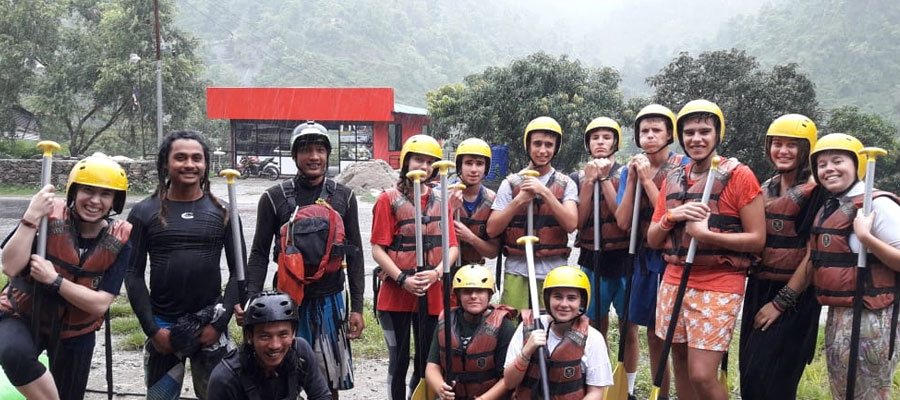
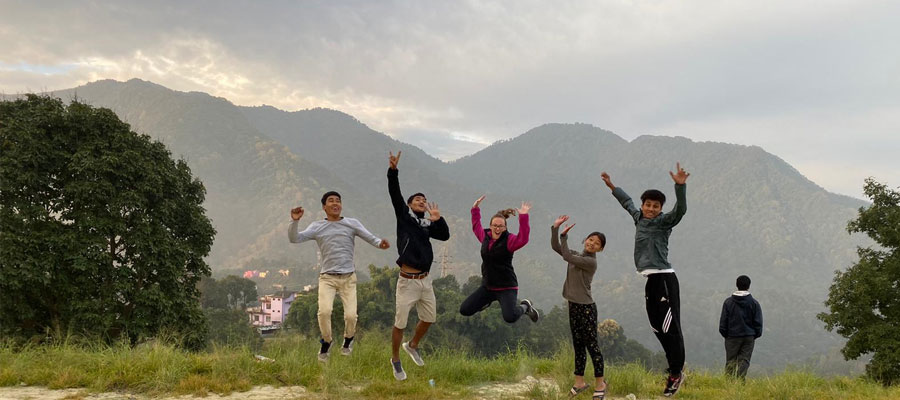
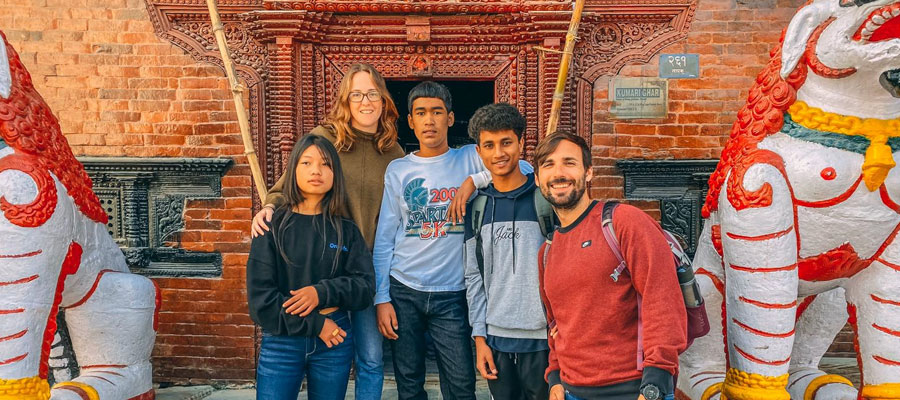
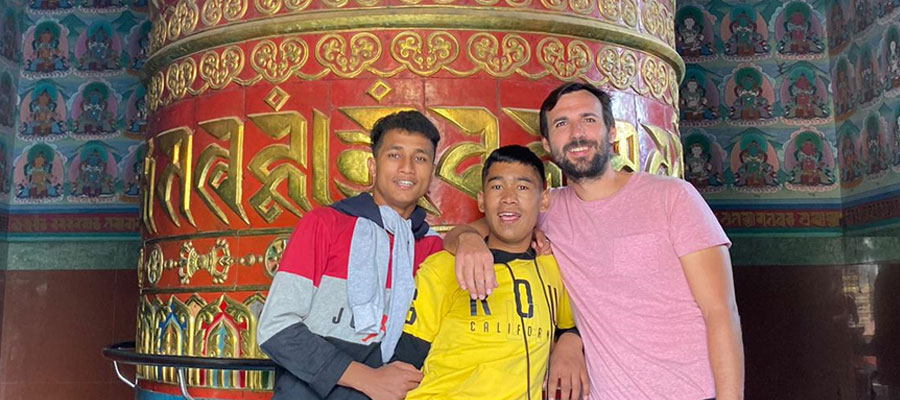
How much volunteer free time in Nepal will you have to explore the country? It’s a common question for anyone planning to volunteer abroad. The good news is that volunteering with RCDP lets you balance meaningful community work with personal time.
Volunteering doesn’t mean spending all your time working. With RCDP’s volunteer programs in Nepal, you will have plenty of free time to discover Nepal’s beautiful landscapes, experience its rich culture, meet local people, and travel to new places. You can give back to underprivileged communities while also making unforgettable memories along the way.
Free Time in Kathmandu, Chitwan, and Pokhara:
You will be working for 4-5 hours every day while volunteering in Nepal and will have free time in the mornings and evenings to explore the nearby areas. Use this volunteer free time in Nepal to experience local life, discover new places, and make your volunteer trip even more rewarding.
Our volunteer projects are located in Kathmandu, Chitwan and Pokhara .
Kathmandu: What can you discover during your free time in Kathmandu? As the capital city of Nepal, Kathmandu is a fascinating mix of history, culture, and everyday local life. During your free time, you can explore beautiful Newari architecture, visit ancient Hindu and Buddhist religious sites, discover hidden temples decorated with vibrant marigolds, and wander through traditional courtyards and local workshops. You will also find impressive 18th-century bronze sculptures and countless cultural treasures waiting to be explored.
Chitwan: Chitwan, also known as Nepal’s wildlife and national park capital, is a great place to experience the country’s incredible wildlife and natural beauty. Similarly, the Chitwan National Park is a UNESCO World Heritage site, and the region is known for its rich biodiversity, including mammals, birds, reptiles, amphibians, and fish. You may also get a glimpse into local life as you explore the surrounding communities. From wildlife experiences to peaceful countryside views, Chitwan offers plenty to discover outside your volunteer work.
Pokhara : The place is a paradise for nature lovers and is also one of Nepal’s most beautiful destinations and a favorite among travelers and adventure seekers. Pokhara offers stunning views, relaxing lakeside walks, and easy access to some of the Himalayas’ most famous trekking routes. Also known as the city of lakes, Pokhara is a gateway to the Annapurna region, making it a popular starting point for mountain adventures. Around the Lakeside area, you can find yoga centers, restaurants, and cultural attractions such as the International Mountain Museum, which showcases the history of mountaineering and the people of the Himalayas.
Weekend Exploration in Nepal:
You will volunteer for five days a week, from Monday to Friday, giving you two full days each weekend to relax, travel, and explore. It’s the perfect opportunity to experience Nepal beyond your volunteer placement and discover the country’s incredible natural and cultural attractions.
Nepal may be a small country, but it offers an amazing variety of experiences. During your weekends, you can enjoy breathtaking Himalayan views, explore ancient temples and historic sites, wander through charming hill villages, experience Nepal’s diverse wildlife, or take part in exciting river adventures.
For those who love the outdoors, Nepal is a true trekking destination. From peaceful mountain trails to spectacular snow-capped peaks, every journey offers a chance to experience the country’s natural beauty up close.
To help you plan your weekends, RCDP has put together a list of some of the most popular places to visit from Kathmandu. These destinations are great options for making the most of your free time while volunteering in Kathmandu, Nepal.
Hanuman Dhoka
Hanuman Dhoka is a historic palace complex dating back to the 4th–8th centuries AD. A Hanuman statue stands at the entrance, giving the palace its name. With its traditional architecture and spiritual atmosphere, it is a wonderful place to experience Nepal’s history and culture.
Garden of Dreams
The Garden of Dreams is a peaceful escape in the heart of Kathmandu. It was built by Field Marshal Kaiser Shumsher in 1920. This beautiful garden is one of the best places to relax, enjoy nature, and recharge during your weekend.
Swayambhunath Stupa
Swayambhunath Stupa is one of the most iconic landmarks in Kathmandu Valley. Also known as the Monkey Temple, it is known for its white dome, golden spire, and beautiful architecture. The site is deeply symbolic and offers a memorable cultural experience. Similarly, the entire structure is deeply symbolic and the best place to be in while volunteering in Nepal programs.
Nyatapola Temple
Nyatapola Temple is a five-storey temple and stands 30 meters above the square and is the tallest temple in Nepal. Built in 1702 during the reign of King Bhupatindra Malla, this five-story temple is admired for its beautiful proportions and impressive traditional architecture.
Kathesimbhu Stupa
Kathesimbhu Stupa is a beautiful and popular Tibetan pilgrimage site in Kathmandu’s old town. Dating back to around 1650, this peaceful stupa sits in a hidden courtyard and is associated with the Swayambhunath complex. It’s a lovely place to visit and enjoy during your weekend while taking part in a volunteer opportunities in Nepal program.
Asan Tole
No trip to Kathmandu is complete without exploring Asan Tole. This lively marketplace is filled with vegetable and spice vendors, along with stalls selling everything from yak tails to dried fish. From dawn to dusk, it remains one of the busiest and most fascinating places to experience local life.
Kathmandu Durbar Square
Kathmandu Durbar Square is the historic heart of Kathmandu’s old town and a wonderful place to explore traditional architecture. The area is made up of three interconnected squares, each filled with historic buildings and cultural landmarks. It’s a great place to spend a weekend afternoon while experiencing the rich heritage of Nepal.
Weekend Ideas Beyond Kathmandu: Chitwan and Pokhara
Well, Kathmandu may get most of the attention, but Chitwan and Pokhara have plenty to offer too.
For those volunteers whose project locations are in Chitwan, Chitwan National Park is a must-visit, with jungle safaris and canoe trips among the most popular experiences. Keep an eye out for one-horned rhinos, wild elephants, and, if you’re lucky, even a Bengal tiger.
A canoe trip along the Rapti River is popular for good reason. It’s a peaceful way to spot crocodiles resting along the riverbanks and a wide variety of water birds. The trip is often followed by a guided jungle walk, where an experienced naturalist can point out wildlife you might easily miss on your own.
Likewise, Chitwan National Park is also home to a government-run elephant breeding centre, where you can see mother elephants and their calves up close. It’s a gentler option if you would prefer observing elephants rather than riding them.
In addition, many volunteers also visit a nearby Tharu village to learn about the indigenous Tharu community, their culture, and traditions. A guided village walk takes you past traditional mud-and-thatch houses and gives you a closer look at everyday Tharu life than a quick drive-through ever could.
The interesting part is that, in the evening, you can enjoy a traditional Tharu stick-dance performance in Sauraha. To end the day, a peaceful walk along the Rapti River at sunset is one of the simplest and most popular things to do.
Now comes the natural centerpiece, Pokhara.
If you are looking for a mix of nature, adventure, and peaceful surroundings, Pokhara has plenty to offer. Phewa Lake is the natural centerpiece of the city, where you can rent a paddle boat and enjoy the views. For an unforgettable experience, take a short hike up to the World Peace Pagoda for sunrise views over the Annapurna range. And if you are after more of a thrill, you can even try paragliding above the valley.
For an early start, most volunteers head to Sarangkot before dawn. It’s the classic spot to watch the sunrise over the Annapurna range and is also where most paragliding flights take off if you decide to fly.
Once you are back near the lake, Davis Falls and the adjoining Gupteshwor Cave make for an easy half-day trip. Here, the waterfall disappears underground, while the cave allows you to follow its path beneath the earth to a small shrine inside.
If you would rather escape the busier Lakeside area, Begnas Lake is just a short ride away. It’s a peaceful place to spend an afternoon boating or simply relaxing by the water.
Ultimately, both Chitwan and Pokhara are much quieter and slower-paced than Kathmandu, which is why many volunteers enjoy spending their weekends off in these places.
Budgeting for Your Free Time
Planning to explore Nepal during your free time? It’s a good idea to set aside some extra money for weekend trips, day excursions, snacks, souvenirs, and entrance fees for places such as temples, museums, and national parks. These expenses aren’t included in your program fee.
The good news is that Nepal is generally very affordable for independent travel. Still, planning ahead is helpful, especially if you’re hoping to take a longer weekend trip to Pokhara or Chitwan.
Other interesting places to visit during your weekend include:
Krishna Temple: Admire its beautiful and detailed woodcarvings.
Zhong Hua Chinese Buddhist Monastery: Explore this unique pagoda-style monastery, known for its peaceful atmosphere and distinctive architecture.
Frequently Asked Questions About Free Time in Nepal and Weekend Exploration
Free time depends on your project, and many programs involve around 4–5 hours of volunteering per day, while some programs have shorter schedules. You may have mornings, evenings, and weekends available for exploring.
You can explore temples and heritage sites, visit local markets, hike, enjoy mountain views, explore national parks, experience local culture, or take weekend trips to destinations such as Pokhara or Chitwan.
You are free to plan your weekends your own way. RCDP does not organize scheduled group tours, but your coordinator is always there to help. They can suggest places to visit, help you plan your trip, and recommend safe and reliable transport options.
Yes, weekend travel comes at an additional cost. Your program fee covers accommodation, meals, and program support, but expenses such as transportation, entrance fees, and personal spending are not included. It’s a good idea to set aside some extra money so you can enjoy your weekends without worrying about unexpected costs.
Yes, you can travel independently during your free time. Many volunteers explore Nepal on their own or travel with fellow volunteers. Just let your coordinator know your plans, especially if you are planning an overnight trip, and follow the same common safety habits you would anywhere unfamiliar.
Yes, you can use your weekends to explore places beyond your volunteer location. You can visit destinations such as Pokhara and Chitwan, but keep the travel time in mind. Both are several hours from Kathmandu by road, so they are better suited to a longer weekend or multi-day trip rather than a single-day outing.
Yes, you can arrive a few days early or stay longer after your program to explore more of Nepal. It’s a great way to experience more of the country at your own pace.
It depends on where you are going and what you plan to do. Comfortable walking shoes and modest clothing are useful for exploring Kathmandu and visiting temples. But if you are heading to Chitwan or Pokhara, you should pack light layers, insect repellent, or trekking gear, depending on the season and your activities.
You can do either. Many volunteers plan weekend trips with others from their placement, while some prefer to explore independently or travel with their host family. It’s completely up to you and how you want to spend your free time.
For general sightseeing in Kathmandu, Pokhara, or around your placement, you don’t need a guide. However, for activities such as a jungle walk or canoe trip in Chitwan National Park, having a guide is standard and required for safety inside the park. Your coordinator can easily help arrange one for you.
Yes, short hikes such as the walk to Sarangkot or the World Peace Pagoda can easily fit into a normal weekend. Longer treks, such as Poon Hill or Annapurna Base Camp, take several extra days, so it’s better to plan them before or after your program.
Nepal is a great place to explore throughout the year. However, October–November and March–April generally offer clearer mountain views and comfortable weather for sightseeing and trekking.
Yes, mobile data is widely available and affordable in Nepal, and most volunteers get a local SIM card after arriving. Coverage is generally reliable in Kathmandu, Pokhara, and Chitwan’s main areas, although it can be limited in remote places, inside national parks, and on higher trekking routes.
Yes, you will find ATMs in both Chitwan and Pokhara. Still, we recommend that you carry some cash, especially for smaller purchases, entrance fees, and trips to rural areas where ATMs and card payments may not always be available.
If you get sick or injured while traveling, contact your in-country coordinator right away. RCDP provides 24/7 emergency support throughout your program, whether you are at your placement or exploring Nepal on your own.
Some host families may be happy to join you for local outings, which can be a great way to experience Nepal together. For longer or more adventurous trips, however, most volunteers travel with fellow volunteers or independently, as host families may have their own weekend routines.